


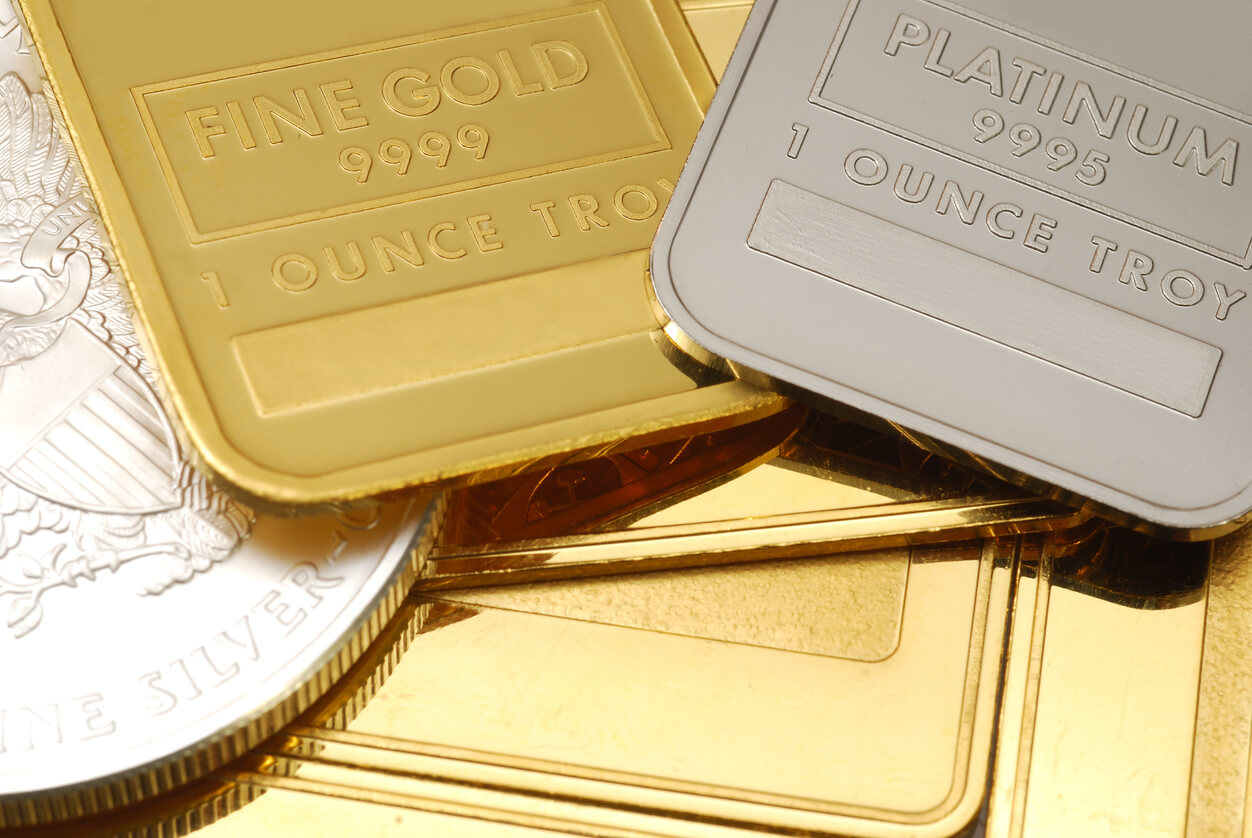
Most precious-metals coverage in 2026 has focused on gold's record run and silver's industrial squeeze. Lost in the headlines, platinum and palladium — the two metals that most North American investors never quite get around to owning — have been doing something interesting of their own. After several years of underperformance, both have rebuilt a credible technical setup and a fundamental story that quietly deserves a look from anyone building a diversified precious-metals position.
These are not gold substitutes. They are different markets, with different drivers, that happen to share precious-metals classification, IRS-approved IRA eligibility, and a long history of behaving uncorrelated to mainstream financial assets during stress periods.
Why Platinum and Palladium Exist in the First Place
Both metals are members of the platinum group metals (PGMs) family, and roughly seventy to eighty percent of their annual demand has historically come from industrial use — primarily as catalysts in vehicle exhaust systems. Palladium dominates in gasoline engines; platinum is more common in diesel and increasingly in hydrogen fuel cells. The remaining demand comes from jewelry, electronics, dentistry, and a small but durable investment market.
Mine supply is concentrated in just a handful of countries — South Africa, Russia, and Zimbabwe for platinum; Russia and South Africa for palladium — which means both metals carry meaningful geopolitical and operational supply risk. Strikes, power instability, and sanctions can move these markets violently.
The Hydrogen and Hybrid Story Investors Keep Missing
The conventional wisdom on PGMs over the last several years was simple: electric vehicles do not have catalytic converters, the world is going EV, therefore platinum and palladium are structurally impaired. That story turned out to be wrong, or at least early.
Hybrid vehicles, which still require catalytic converters, have grown faster than pure battery EVs in many markets. Hydrogen fuel cell vehicles, which use platinum as their primary catalyst, are gaining policy and infrastructure support. And industrial demand from glass manufacturing, electronics, and chemical refining has remained durable. The World Platinum Investment Council has published multi-year deficit projections for platinum, and analysts at several research desks now describe the metal's setup as the most attractive it has been in roughly a decade.
“The PGMs are the cleanest example in commodities of a market priced for one outcome — full electrification — that is going to take longer and look messier than the consensus assumes.” — Platinum Group Metals research note, early 2026
How They Behave in a Portfolio
Platinum and palladium typically have higher volatility than gold and lower correlation to it during stress periods. That sounds like a drawback, and at small position sizes it is, but at modest allocations it actually improves a precious-metals sleeve's overall risk-adjusted profile. They also offer something gold cannot: meaningful exposure to global industrial activity and the energy transition, without the equity risk of owning specific automakers or refiners.
For a long-horizon investor, the case for adding a small platinum or palladium allocation alongside gold and silver is not that either will outperform every year. It is that during the year when one of them does outperform — typically driven by a supply shock or a sentiment shift — the position more than earns its keep. And when they trade flat, they continue providing diversification.
What to Buy and What to Avoid
For taxable, long-term holdings, IRS-approved bullion products — including American Platinum Eagles, Canadian Maple Leafs, and recognized bars from major refiners — are the standard. Coins typically command a small premium over bars, but they are easier to authenticate, transact, and resell, which matters when liquidity is needed quickly. Numismatic and rare collector PGM coins generally trade at premiums that are difficult to recover and are usually inappropriate for an investment allocation.
For retirement accounts, platinum and palladium can be held inside a self-directed IRA alongside gold and silver, provided the products meet the fineness standards specified by the IRS. This is one of the cleanest ways to own these metals long-term, since storage and reporting are handled by an approved custodian.
Next Steps.
Rebalancing toward an underloved corner of the precious-metals complex can be one of the more effective contrarian moves available to a patient investor. If you are interested in seeing IRS-approved platinum and palladium products and pricing alongside the gold and silver options most investors already know, reach out to the Merchant Gold Group team for a transparent walk-through with no scripts and no pressure.




