On April 7, 2026, President Trump announced a two week ceasefire with Iran, brokered by Pakistan, just two hours before his own deadline to escalate military operations. Markets erupted in celebration: the Dow Jones surged 1,325 points, oil crashed 16.4%, and the S&P 500 posted its best single day gain in months. The collective sigh of relief, however, was dangerously premature. Within 24 hours, the ceasefire began fracturing. Within ten days, it effectively collapsed.
A Truce Built on Contradictions
The structural flaws of this ceasefire were visible from day one. Iran accepted the deal based on a 10 point proposal that included sanctions relief, withdrawal of US forces, and recognition of Iranian sovereignty over the Strait of Hormuz. The United States accepted it as a framework for negotiation, not as binding terms. Israel explicitly stated that Lebanon was not covered by the ceasefire and launched its largest attack across southern Lebanon on April 8, striking over 100 Hezbollah targets and killing 303 people in a single day.
The Touska Incident and the Path to Collapse
On April 19, the USS Spruance intercepted the Iranian flagged cargo ship Touska in the Gulf of Oman. After the crew refused to comply with warnings over six hours, US forces fired on the vessel, blowing a hole in the engine room, before Marines boarded and seized it. Iran’s military command declared the seizure a violation of the ceasefire and vowed to retaliate. Iran also re closed the Strait of Hormuz on April 18, reversing its earlier decision to reopen the waterway. No tankers transited the Strait on April 20. Trump stated the ceasefire expires Wednesday evening Washington time and that an extension is highly unlikely if no deal is reached.
Gold Saw Through the Celebration
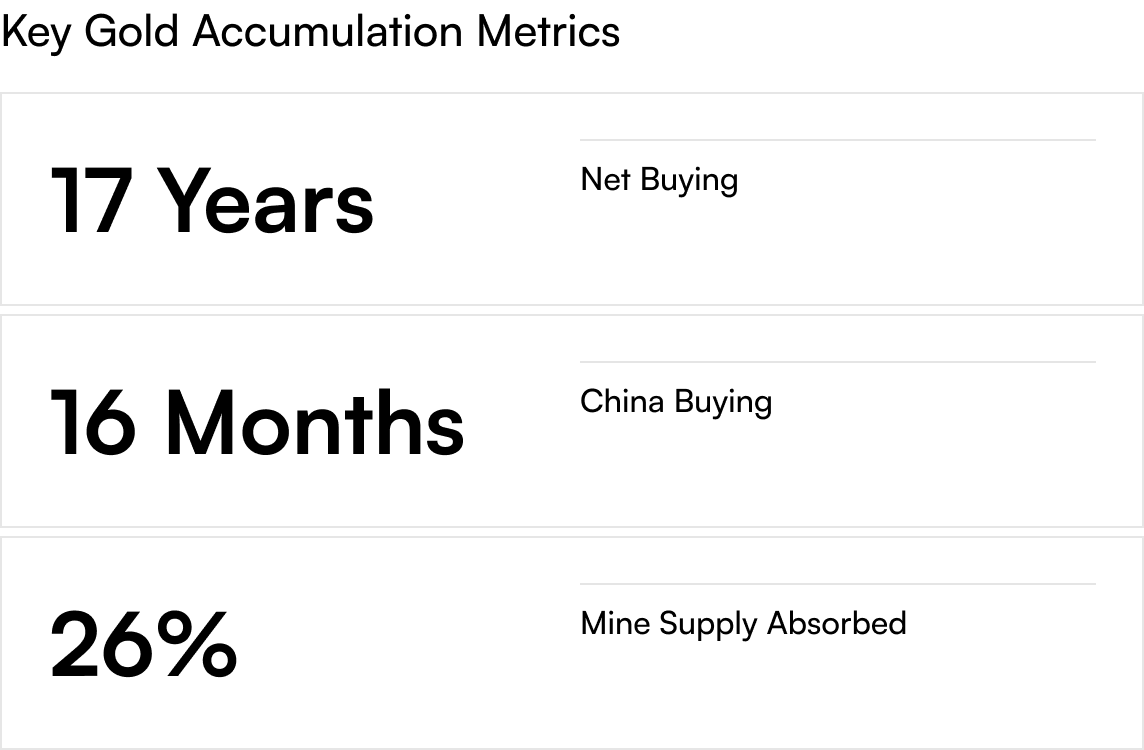
The most revealing market signal on ceasefire day was not the stock rally or the oil crash. It was gold. On April 7, gold rose 2.39% to $4,768 per ounce, even as every other risk asset surged on optimism. The gold market recognized what equity traders refused to accept: this ceasefire resolves nothing. The underlying drivers of inflation, the energy supply disruption, the fertilizer crisis, the $39 trillion national debt, and the structural de dollarization trend remain firmly in place. As of April 20, gold trades near $4,832 per ounce, with silver at $80.87.

Protect Your Wealth Before the Truce Expires
Retirement investors who repositioned into equities on the ceasefire rally are now facing the prospect of a full resumption of hostilities within days. When the truce officially expires, the market reversal will be swift and severe. Physical gold and silver do not require a ceasefire to retain their value. They do not depend on diplomatic negotiations, military compliance, or the good faith of hostile nations. Merchant Gold Group provides the expertise and infrastructure to transition your vulnerable retirement capital into the permanent safety of physical precious metals. Contact our specialists today to ensure your wealth is protected as soon as possible.