


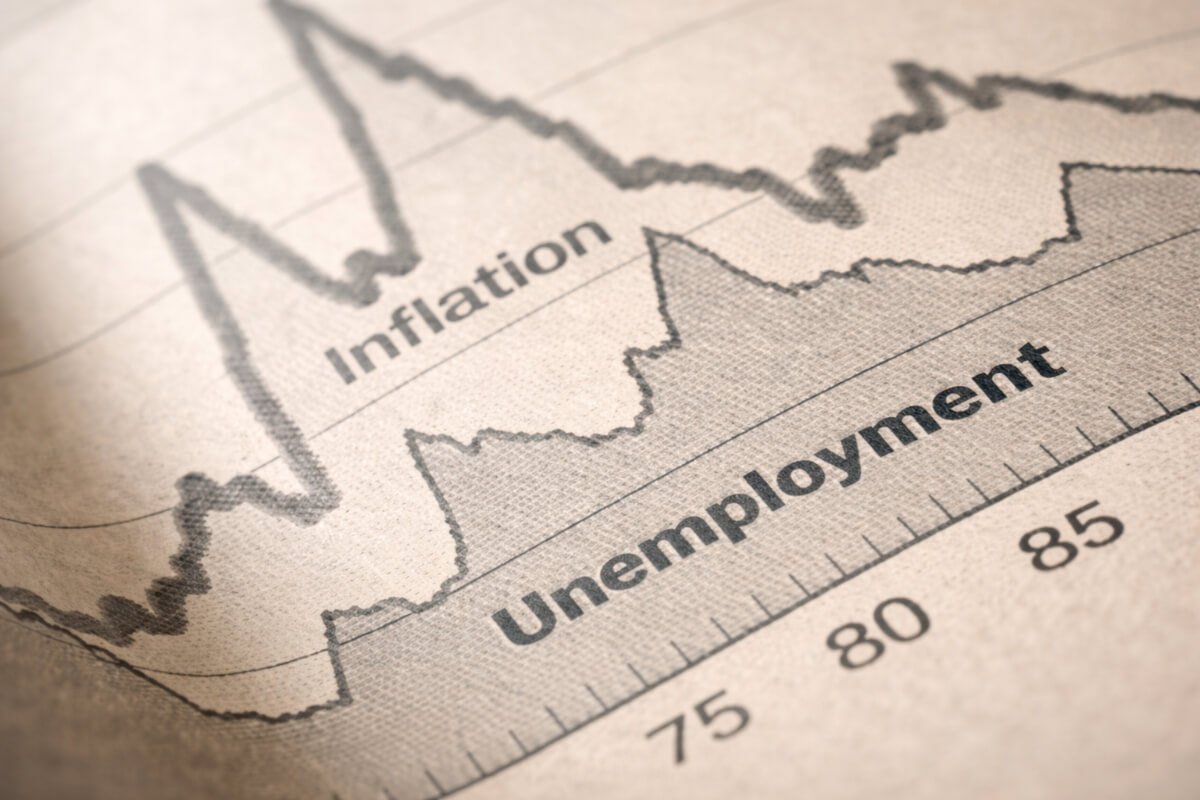
Inflation erodes the value of money over time, reducing the purchasing power of your hard-earned savings. When prices rise and the dollar buys less, many traditional investments can lose ground. For centuries, people have turned to precious metals such as gold and silver as a way to preserve wealth during inflationary periods. But how exactly do precious metals protect against inflation, and why are they considered such a reliable safeguard?
The Impact of Inflation
Inflation occurs when the cost of goods and services increases across the economy. While mild inflation is normal, periods of high inflation can be devastating for savers and retirees. Cash in the bank loses value, bonds often pay fixed interest that can’t keep up with rising prices, and even stocks may underperform if costs rise faster than profits.
This is why investors often look for assets that are inflation-resistant — investments that maintain or even increase their value as currencies decline.
Precious Metals as a Hedge
Precious metals are unique because they are tangible assets with inherent value. Unlike paper money, which can be printed endlessly, the supply of gold and silver is finite. This scarcity is one of the key reasons metals hold their worth.
During inflationary times, demand for gold and silver typically rises for three main reasons:
- Store of Value
Precious metals retain purchasing power. While a dollar from decades ago buys far less today, the same amount of gold or silver often buys the same goods — or more. - Safe Haven Demand
When confidence in paper currencies declines, investors and central banks turn to gold and silver. This flight to safety drives prices higher, offsetting inflation’s impact. - Diversification
Precious metals often move independently of stocks and bonds. Adding them to a portfolio spreads out risk during times when inflation disrupts traditional markets.
Historical Proof
History provides clear evidence of how gold and silver perform during inflationary periods. In the1970s, U.S. inflation soared into double digits. During that same decade, gold prices climbed from about $35 an ounce to over $800 by 1980. Silver experienced similar growth.
More recently, during the 2008 financial crisis and the subsequent years of money printing, precious metals once again surged as investors sought protection from both inflation and economic instability. These examples show that metals not only hold their value—they can even rise significantly during periods of high inflation.
The Role of Gold vs. Silver
Gold is often seen as the primary hedge against inflation. Its global demand, limited supply, and universal recognition make it the cornerstone of wealth preservation. Silver, while more volatile, also provides strong inflation protection. Because it is both an industrial and monetary metal, silver can benefit from inflationary environments where demand for both industry and safe-haven assets increases.
For many investors, holding a mix of gold and silver provides balance—gold for stability and silver for growth potential.
Precious Metals in Retirement Accounts
One of the most effective ways to use metals as inflation protection is through a Gold or Silver IRA. These accounts allow you to hold physical, IRS-approved coins and bars in at ax-advantaged retirement plan. Instead of watching inflation eat away at your savings, your account is anchored in real assets that historically rise during inflationary cycles.
By placing metals in a retirement account, you combine tax benefits with long-term wealth protection — a strategy that can provide peace of mind in uncertain times.
The Merchant Gold Group Difference
At Merchant Gold Group, we help clients protect what matters most by making it simple to add gold and silver to their portfolios. Our team specializes in setting up precious metals IRAs, offering a wide selection of IRS-approved products, and arranging secure storage at trusted depositories.
We focus on transparent pricing, fast service, and personalized guidance so you can feel confident that your retirement savings are protected from inflation and future economic challenges.
Summary
Inflation reduces the purchasing power of paper money, but precious metals stand apart as assets with enduring value. Gold and silver protect against inflation by serving as a store of wealth, attracting safe-haven demand, and diversifying portfolios when traditional assets struggle.
History shows that during inflationary periods, metals not only preserve wealth but often grow in value. For long-term savers and retirees, adding gold and silver — whether through direct ownership or a retirement account — is a proven way to secure financial peace of mind.




